Yap, Micronesia

🇫🇲 Yap, Micronesia


6:3718:50
Currency: US Dollar (USD)
+691
Safety: Normal security precautions
Forecast by:
11 Sep
Fri
12 Sep
Sat
13 Sep
Sun
14 Sep
Mon
15 Sep
Tue
16 Sep
Wed
17 Sep
Thu
Temp (°C)30°
25°
31°
26°
31°
26°
31°
26°
31°
26°
30°
26°
30°
25°
Precipitation98%22%35%57%61%72%69%
Humidity83%84%82%83%83%84%84%
Wind26 km/h18 km/h14 km/h22 km/h13 km/h14 km/h38 km/h

Best time to visit Yap

The best time to visit Yap is January to May and December, when conditions are generally favourable for diving, cultural visits and outdoor activities, although showers remain possible. June and November are acceptable but bring greater humidity, rain and typhoon risk, while July to October are least suitable because of heavy rain and peak typhoon season.

JanuaryGreatTemp (°C)27°Rain (mm)200Sun Hours6Dry Days15

January is hot and humid, around 23-30°C, with relatively low rainfall for Yap. It suits diving, cultural visits and outdoor exploring.

FebruaryGreatTemp (°C)27°Rain (mm)252Sun Hours6Dry Days12

February is hot, around 23-30°C, with relatively dry conditions and rain possible at any time. It is a good month for diving and island activities.

MarchGreatTemp (°C)28°Rain (mm)202Sun Hours7Dry Days15

March is hot and humid, around 23-30°C, with tropical showers possible throughout the month. Diving and cultural sightseeing remain practical.

AprilGreatTemp (°C)28°Rain (mm)198Sun Hours7Dry Days15

April is hot and humid, around 24-31°C, with rain possible year-round. Plan outdoor activities around passing showers and allow time for diving.

MayGreatTemp (°C)28°Rain (mm)200Sun Hours7Dry Days15

May is hot and humid, around 24-31°C, with frequent tropical rain possible. Diving and cultural activities work well between showers.

JuneOKTemp (°C)28°Rain (mm)249Sun Hours6Dry Days13

June is hot and humid, around 24-31°C, with increasing humidity and typhoon risk. Rain can interrupt outdoor plans, though diving remains possible in suitable conditions.

JulyAvoidTemp (°C)28°Rain (mm)299Sun Hours6Dry Days10

July is hot and very humid, around 24-31°C, with wet-season rain and typhoon risk. Frequent showers can disrupt outdoor activities and diving plans.

AugustAvoidTemp (°C)27°Rain (mm)302Sun Hours6Dry Days10

August is hot and very humid, around 24-31°C, with heavy wet-season rain and peak typhoon season. A typhoon can cancel flights and wreck the trip.

SeptemberAvoidTemp (°C)27°Rain (mm)249Sun Hours7Dry Days12

September is hot and very humid, around 24-31°C, with heavy rain and peak typhoon season. A typhoon can cancel flights and wreck the trip.

OctoberAvoidTemp (°C)29°Rain (mm)200Sun Hours7Dry Days15

October is hot and very humid, around 24-31°C, with wet-season rain and peak typhoon season. A typhoon can cancel flights and wreck the trip.

NovemberOKTemp (°C)27°Rain (mm)198Sun Hours6Dry Days15

November is hot and humid, around 24-31°C, with wet-season showers and typhoon risk. Rain may interrupt diving and other outdoor plans.

DecemberGreatTemp (°C)27°Rain (mm)201Sun Hours6Dry Days15

December is hot, around 23-30°C, with rain possible and typhoon risk. Outdoor plans are workable when showers pass, and diving remains a key activity.

Sources: en.wikipedia.org

Activities are coming soon.

Brief

  • Yap is a remote island destination with limited flights, accommodation and medical services. Confirm onward connections, bookings and essential supplies before arrival, especially when travelling to outer islands.
  • Try locally caught reef fish and other seafood, taro, breadfruit, coconut-based dishes and tropical fruit.
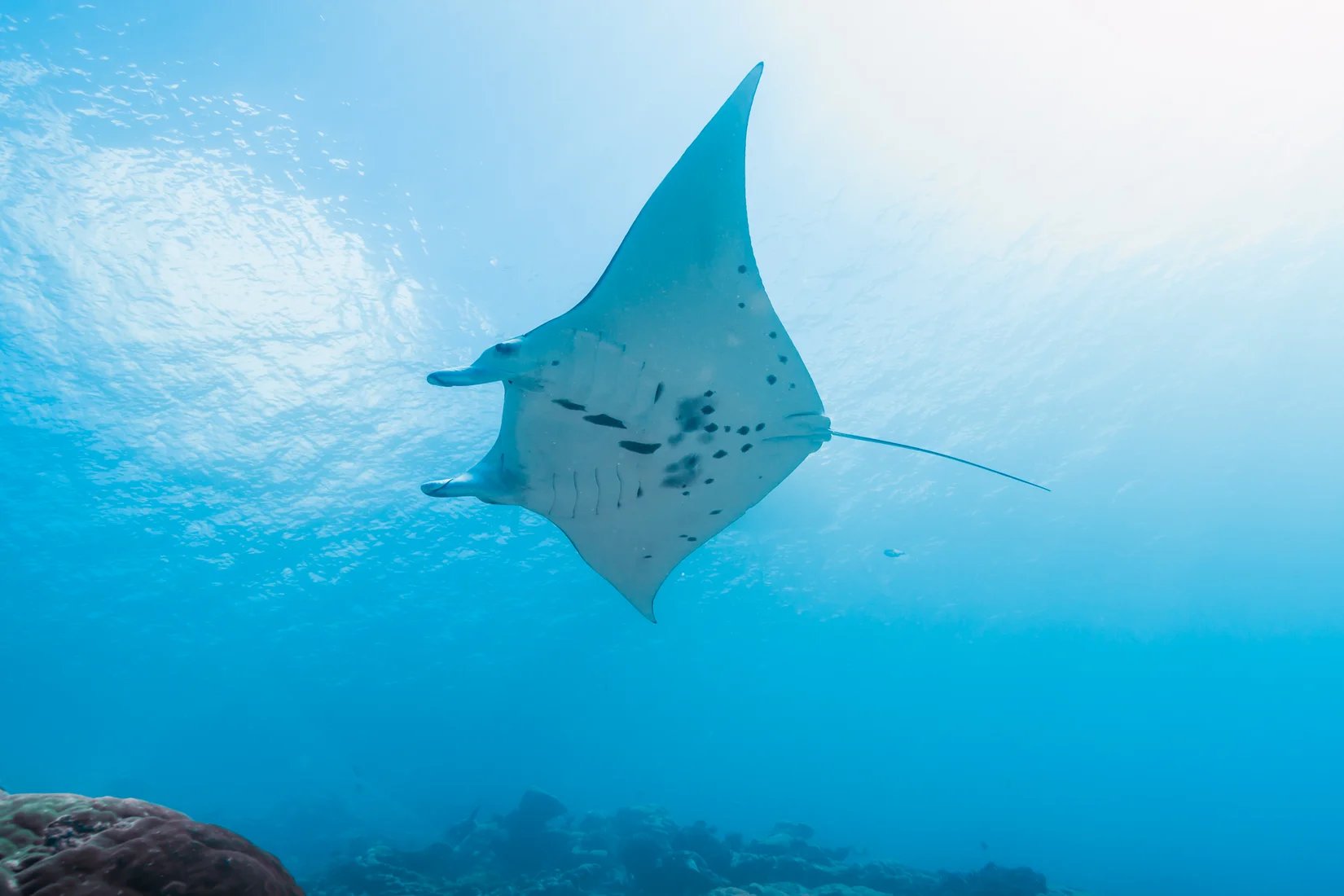
  • Yap is known for manta-ray diving, reefs, traditional villages, stone-money sites and cultural experiences. Arrange diving and boat excursions in advance, as operators and departures may be limited.

Safety and health

  • Dengue and Zika are mosquito-borne risks in Micronesia. Use repellent, wear covered clothing and stay in screened or air-conditioned accommodation. Pregnant travellers or those planning pregnancy should take particular care because Zika can harm an unborn baby. (cdc.gov)
  • Medical resources are limited, particularly on remote islands. The latest local emergency-response training noted that outside surge support can take five to six days to reach Yap's outer islands, so travellers should carry essential medicines and obtain appropriate travel insurance. (who.int)

Recent News

  • On 20 August 2026, FSM officials said discussions with the United States on the Yap Defense Site Project were continuing. Earlier reports had indicated that negotiations could delay or relocate planned airport and infrastructure investment. Travellers should monitor future announcements for possible long-term effects on airport development, access and local logistics; no visitor restriction was announced. (gov.fm | thediplomat.com)
  • A WHO-led training held from 29 June to 3 July 2026, and reported on 12 August, strengthened Yap's ability to investigate outbreaks and coordinate emergency response across health, animal-health and environmental agencies. It was a preparedness exercise, not a report of an active outbreak. (who.int)