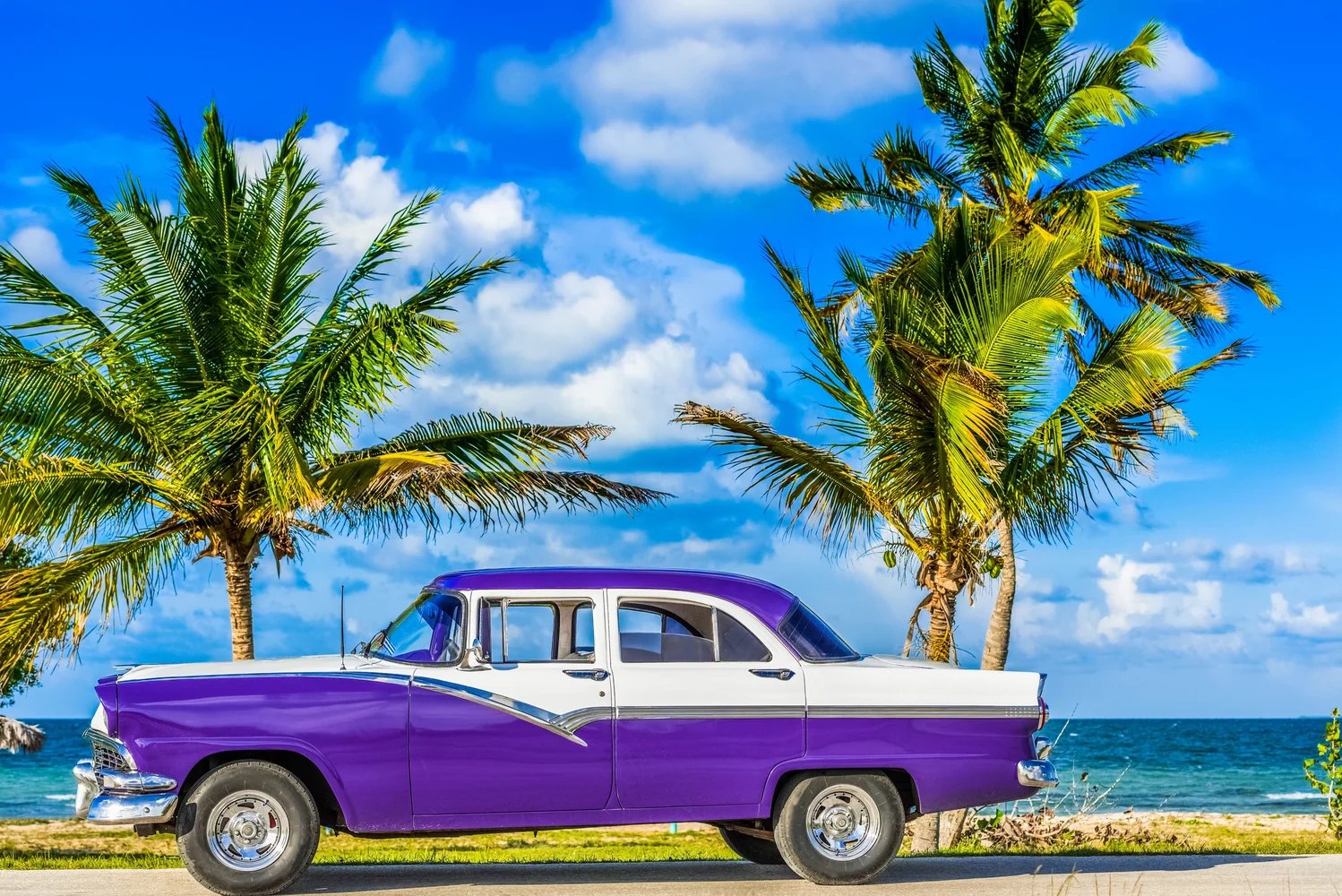
Havana, Cuba

🇨🇺 Havana, Cuba


7:1419:37
100 USD = 2650 CUP
Safety: Avoid non-essential travel

Forecast by:
11 Sep
Fri
12 Sep
Sat
13 Sep
Sun
14 Sep
Mon
15 Sep
Tue
16 Sep
Wed
17 Sep
Thu
Temp (°C)34°
23°
35°
24°
34°
23°
34°
23°
33°
23°
32°
22°
33°
25°
Precipitation29%66%36%44%56%66%69%
Humidity73%72%72%73%76%78%73%
Wind13 km/h10 km/h14 km/h16 km/h16 km/h14 km/h13 km/h

Best time to visit Havana

The best time to visit Havana is December to April, when conditions are generally bright, dry and comfortable for walking, sightseeing and beach days. May and November are reasonable alternatives, while June to October are less favourable due to hotter, more humid, wetter and stormier conditions, with peak hurricane season in September and October.

JanuaryGreatTemp (°C)23°Rain (mm)25Sun Hours7Dry Days23

January is bright and mild, around 18-26°C, with mostly dry weather suited to walking Havana’s historic streets and outdoor sightseeing.

FebruaryGreatTemp (°C)24°Rain (mm)28Sun Hours8Dry Days22

February is mostly dry and comfortable, around 18-27°C, with occasional brief showers. Walking tours and outdoor cafés work well.

MarchGreatTemp (°C)23°Rain (mm)11Sun Hours9Dry Days25

March is warm and generally settled, around 19-28°C, with sunny conditions for exploring plazas, museums and Havana’s coastal promenade.

AprilGreatTemp (°C)27°Rain (mm)37Sun Hours9Dry Days21

April is sunny and warm, around 21-29°C, with humid spells and showers. City sightseeing and beach time are both practical.

MayOKTemp (°C)26°Rain (mm)61Sun Hours11Dry Days15

May is hot, around 23-30°C, with short, sharp showers and humid conditions. Outdoor plans suit mornings, with shade useful at midday.

JuneOKTemp (°C)27°Rain (mm)74Sun Hours11Dry Days12

June is humid and rainy, around 24-32°C, with heavy showers and occasional prolonged storms. Hurricane risk applies this month, and a storm can cancel flights and wreck the trip.

JulyAvoidTemp (°C)29°Rain (mm)70Sun Hours12Dry Days14

July is hot and stormy, around 24-33°C, with high humidity and sudden rain. Hurricane risk applies this month, and a storm can cancel flights and wreck the trip.

AugustAvoidTemp (°C)30°Rain (mm)89Sun Hours9Dry Days11

August is intensely hot and humid, around 24-34°C, with frequent afternoon rain and thunderstorms. Hurricane risk applies this month, and a storm can cancel flights and wreck the trip.

SeptemberAvoidTemp (°C)28°Rain (mm)98Sun Hours9Dry Days10

September is hot and very humid, around 24-33°C, with frequent rain and peak hurricane season. Heavy rain and humidity bring the year’s highest dengue risk; a storm can cancel flights and wreck the trip.

OctoberAvoidTemp (°C)27°Rain (mm)83Sun Hours7Dry Days14

October is rainy and humid, around 23-31°C, with peak hurricane season and frequent tropical storms. Wet conditions and humidity bring the year’s highest dengue risk; a storm can cancel flights and wreck the trip.

NovemberOKTemp (°C)25°Rain (mm)32Sun Hours6Dry Days20

November is warm and sunnier, around 21-29°C, with rain retreating. Hurricane risk applies this month, and a storm can cancel flights and wreck the trip.

DecemberGreatTemp (°C)23°Rain (mm)18Sun Hours6Dry Days25

December is bright and relatively cool, around 19-27°C, with generally dry weather suited to walking Havana and occasional beach days.

Sources: responsibletravel.com, en.wikivoyage.org

Activities are coming soon.

Brief

  • Try Havana staples such as ropa vieja, arroz congrí, lechón asado, fresh tropical fruit, Cuban coffee and rum-based drinks.
  • Carry contingency cash and essential toiletries or medicines. Card acceptance, supplies and services can be unreliable, especially outside major hotels.
  • Allow extra time for local transport and airport transfers, and confirm arrangements directly with airlines and accommodation providers before departure.

Safety and health

  • A September 4 embassy alert reported a significant increase in diarrhoeal illness across Cuba, including cases involving E. coli, norovirus and Shigella. Avoid tap water and ice of uncertain origin, choose carefully stored or thoroughly cooked food, and consider bringing oral rehydration supplies and essential medicines. (upi.com)
  • Dengue and Zika occur in Cuba. Use insect repellent, wear covering clothing and stay in screened or air-conditioned accommodation where possible. (cdc.gov)
  • Protect cuts and avoid contact with livestock or stray animals because New World screwworm myiasis is listed as a risk. (cdc.gov)
  • Yellow fever vaccination is not generally recommended for Cuba, but proof is required for travellers aged 9 months or older arriving from a country with yellow-fever transmission, including qualifying airport transits. (cdc.gov)
  • The U.S. Embassy has also warned of increased theft and vehicle-related crime in Havana. Keep valuables concealed, use reputable transport and take particular care around roads and at night. (upi.com)

Recent News

  • September 3-4, 2026: New U.S. sanctions targeting Cuban individuals and entities are adding pressure to fuel imports and the already fragile power grid. Travellers should expect possible disruption to electricity, refrigeration, communications, transport and tourism services. (wlrn.org | abcnews.com)
  • September 5, 2026: Residents protested prolonged blackouts in Fontanar along Boyeros Avenue, near José Martí International Airport, and police deployed around 10 patrol cars. Avoid demonstrations and allow flexibility for airport-area travel. (cubaheadlines.com)
  • September 4, 2026: The U.S. Embassy reported a significant increase in diarrhoeal illnesses across Cuba, linked to deteriorating water and electricity infrastructure and unreliable food refrigeration. (upi.com | washingtonpost.com)
  • September 6, 2026: Havana introduced additional Chinese waste-collection trucks and containers, but officials acknowledged that the measure is only a partial response to large-scale rubbish accumulation. Travellers should expect occasional sanitation problems and avoid uncollected waste. (cubaheadlines.com)