🇪🇷Eritrea
| 11 Sep Fri | 12 Sep Sat | 13 Sep Sun | 14 Sep Mon | 15 Sep Tue | 16 Sep Wed | 17 Sep Thu | |
|---|---|---|---|---|---|---|---|
| Temp (°C) | 42° 30° | 43° 31° | 44° 32° | 44° 34° | 40° 33° | 40° 33° | 38° 30° |
| Precipitation | 35% | 60% | 2% | 23% | 18% | 21% | 27% |
| Humidity | 62% | 55% | 52% | 43% | 55% | 53% | 61% |
| Wind | 19 km/h | 16 km/h | 16 km/h | 20 km/h | 18 km/h | 17 km/h | 14 km/h |
The best time to visit Djibouti is January to March, and again in November and December, when conditions are generally comfortable and whale-shark trips are seasonal. April, May and October are hotter, while June to August are extremely hot and September remains demanding. Cyclonic systems and intense rain or flash flooding are noted mainly from January to April and October to December.
January is comfortable, around 21-29°C, with occasional coastal rain. Whale-shark trips are seasonal, while cyclonic systems can bring intense rain and flash flooding.
February is comfortable, around 22-29°C, with occasional coastal rain. Whale-shark encounters are seasonal, and cyclonic systems can bring intense rain and flash flooding.
March is warm, around 24-31°C, with coastal rain possible. Whale-shark trips remain seasonal, while cyclonic systems can bring intense rain and flash flooding.
April is hot, around 25-32°C, with inland showers possible. Cyclonic systems can bring intense rain and flash flooding, and whale-shark sightings become less reliable.
May is hot, around 27-35°C, with inland rain possible and demanding midday conditions. Whale-shark sightings are uncommon during this period.
June is extremely hot, around 29-39°C, with temperatures often exceeding 40°C and strenuous inland sightseeing. Whale-shark sightings are very unlikely.
July is extremely hot, around 31-41°C, with temperatures often exceeding 40°C and strenuous inland sightseeing. Whale-shark sightings are very unlikely.
August is extremely hot, around 30-41°C, with temperatures often exceeding 40°C and strenuous inland sightseeing. Whale-shark sightings are very unlikely.
September is hot, around 29-37°C, with inland rain possible and demanding daytime conditions. Whale-shark sightings are very unlikely.
October is hot, around 25-33°C, with occasional rain and a risk of cyclonic systems bringing intense rain and flash flooding. Whale-shark sightings begin to return.
November is comfortable, around 23-31°C, with coastal rain that can be intense and peak storm season bringing flash floods. Whale-shark encounters are seasonal.
December is comfortable, around 21-30°C, with occasional coastal rain and a risk of cyclonic systems bringing intense rain and flash flooding. Whale-shark encounters are near their seasonal peak.
Sources: responsibletravel.com, en.wikivoyage.org

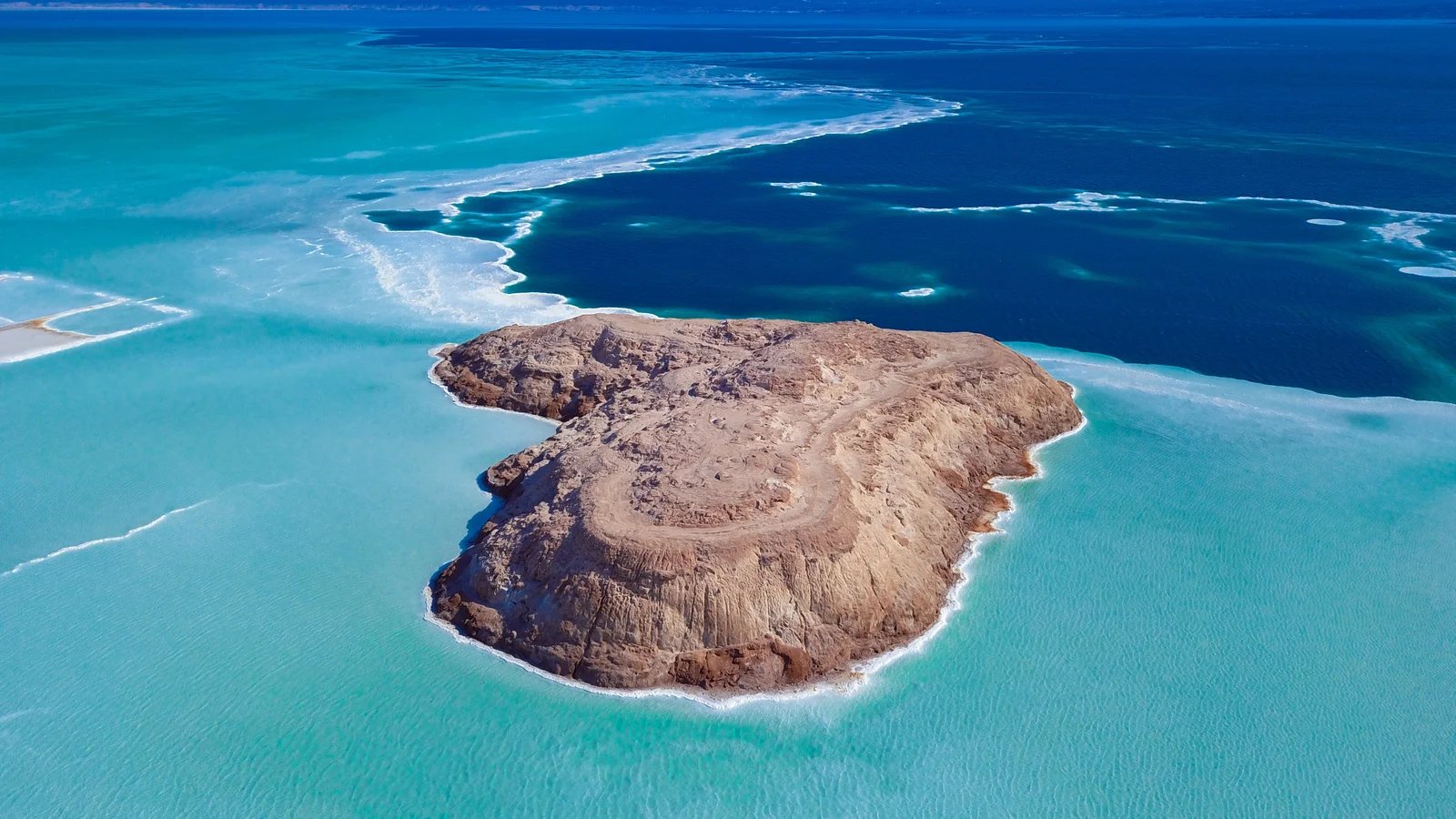
The uniqueness and specificity of this circuit lies in three aspects: in addition to walking on the lowest place in Africa, during this excursion you will discover the caravan of salt ancestral practice of Afar tribes and also be immersed in the local culture. finally and above all, even with the naked eye in the open air, the separation on the tec

This full-day combo tour combines the incredible experience of swimming with whale sharks in Ghoubet Bay and exploring the stunning salt flats of Lake Assal. Begin your adventure by observing and swimming alongside these gentle giants during a guided marine excursion. Afterward, traverse the Great Rift Valley to reach Lake Assal, the lowest point i

We offer private air-conditioned transport in Hartop all-terrain vehicles, with an experienced driver in the tourism field and a professional local guide speaking English, French, Arabic, certified by the State Tourism Agency.